DJI drones - Sunnylife
|
Fast delivery |
Return your order within 14 days |
24 month warranty |
Free shipping over 199€ |



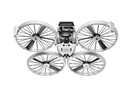
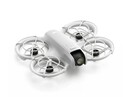
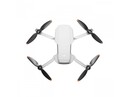
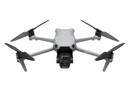
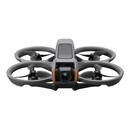
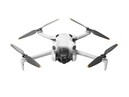
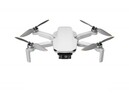
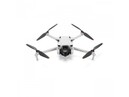
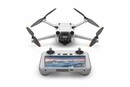
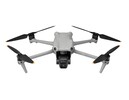
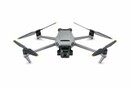

Set of 3 Sunnylife A3-FI685 filters with adjustable CPL, CPL+ND8+ND1
6 Adjustable Lens Filters Sunnylife for DJI AIR 3 A3-FI689 - MCUV+CPL+ND4+ND8+ND16+ND32
4 Lens Filters Sunnylife for AIR 3 - ND4/PL+ND8/PL+ND16/PL+ND32/PL (A3-FI686)
4 filters Sunnylife for DJI AIR 3 A3-FI687 - ND4+ND8+ND16+ND32
Landing pad for drones Sunnylife 110cm hexagon - Double Sided (TJP10)
Set of 4 filters ND-PL 4/8/16/32 Sunnylife for DJI Mini 3 Pro (MM3-FI416)
Controller Protector & Sunhood 2 in 1 Sunnylife for DJI RC PLUS /Inspire 3 / Matrice M30 Series (YK570)
Set of 4 filters UV+CPL+ND4+ND8 Sunnylife for DJI Mini 3 Pro (MM3-FI418)
Landing pad Sunnylife for drones 50cm geographic directions (DJI-TJP05)
Sunnylife Smartphone Sunshade for DJI RC-N1 Controller (ZG73)
Sunnylife Smartphone Sunshade for DJI RC-N1 Controller (ZG73)
Carrying Case Sunnylife for DJI Mavic 3 Pro / Mavic 3 Classic / Mavic 3 (B574)
Combo Bag Sunnylife for DJI Mini 3 Pro / DJI Mini 3 (MM3-B392)
Set of 3 filters CPL+ND8+ND16 Sunnylife for DJI Mini 3 Pro (MM3-FI415)
SUNNYLIFE chest strap for DJI RC / RC 2 / RC PRO controller
Useful Tips for Every Enthusiast
Choosing a drone can be challenging, especially if you are a beginner or don’t have much experience yet. There is a wide range of models, from small recreational drones to professional devices with advanced features. To find the drone that suits you best, you should consider several key factors. Here are some practical tips and advice to help you select the right drone.
1. Determine your main purpose for the drone
Before choosing a drone, answer the question: what is your main goal?
Photography and Videos: If your main goal is photography and video recording, you need a drone with a quality camera. Look for models that support 4K resolution and image stabilization.
Recreational Flying: For recreational purposes, a simpler and more affordable model will suffice. Smaller drones are generally easier to control and more budget-friendly.
Drone Racing: For racing, specialized racing FPV drones are used, which are lighter, faster, and highly responsive to control.
2. Set a Budget
The price of drones can range from tens to thousands of euros. Set a budget for how much you are willing to invest. More expensive models have advanced features such as longer range, higher camera resolution, or better stabilization. However, if you're just starting out, it might be wise to begin with a more affordable model and later upgrade to a more expensive one if you find that drones interest you and you want to pursue them more professionally.
3. Check Features and Specifications
Each drone has different specifications and features that can impact your flying experience. Some of the most important are:
Flight Time: Flight time is crucial, as most drones can handle 20–30 minutes of flight on a single charge. If you plan longer shooting sessions, consider models with higher battery capacity or the option of swapping batteries.
Signal Range: The controller's range determines how far you can control the drone. For recreational purposes, a range of up to 500 meters is sufficient, while professionals might require a longer range of several kilometers.
GPS and Auto-Return: GPS functionality is very helpful, especially for beginners. The drone can return to its starting point with the push of a button, which is a great advantage if the signal is lost or if the drone goes out of control.
Camera and Stabilization: If you’re aiming for high-quality shots, the camera is essential. Quality drones often come with built-in stabilization (gimbal) that minimizes camera shake during flight.
4. Consider Your Skill Level
If you’re a beginner, look for models that are easy to control and have safety features such as auto-return, altitude hold, and collision protection. Advanced users may opt for models with more manual control options, providing greater flexibility and customization options.
5. Be Aware of Regulations and Laws
Remember that flying a drone is subject to certain rules and laws. Depending on the size and category of the drone, registration or permits may be required. Always check the current regulations applicable to the area where you plan to fly your drone to avoid fines and other complications.