


|
Fast delivery |
Return your order within 14 days |
24 month warranty |
Free shipping over 199€ |




DJI Air 3S (DJI RC-N3)
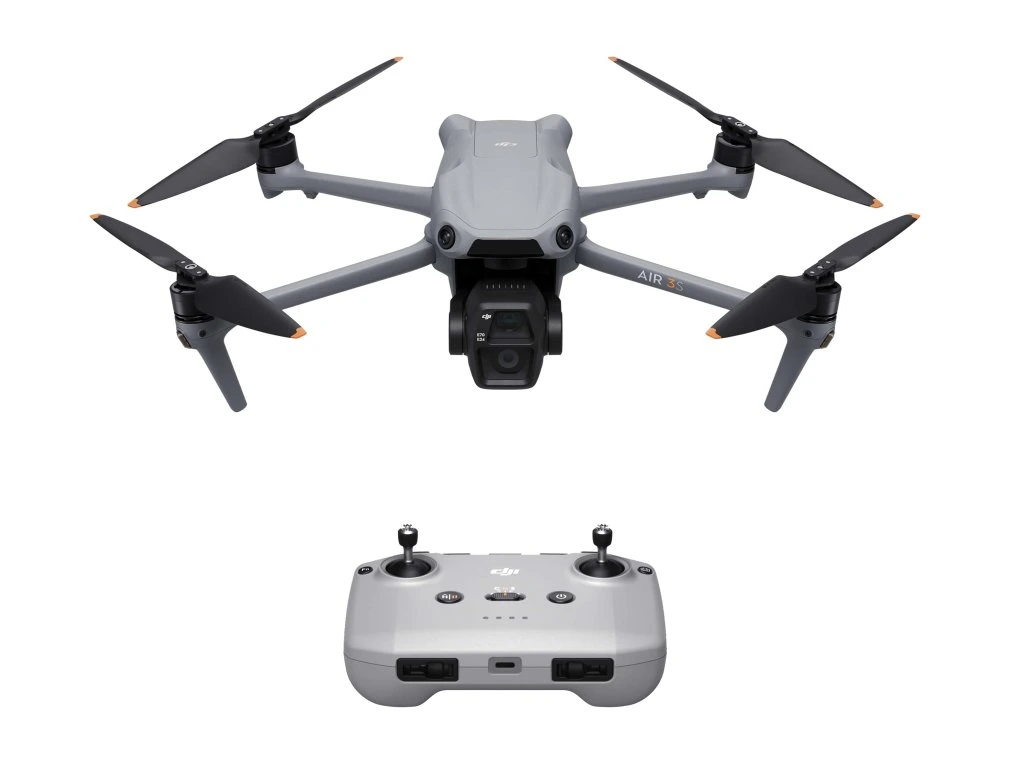
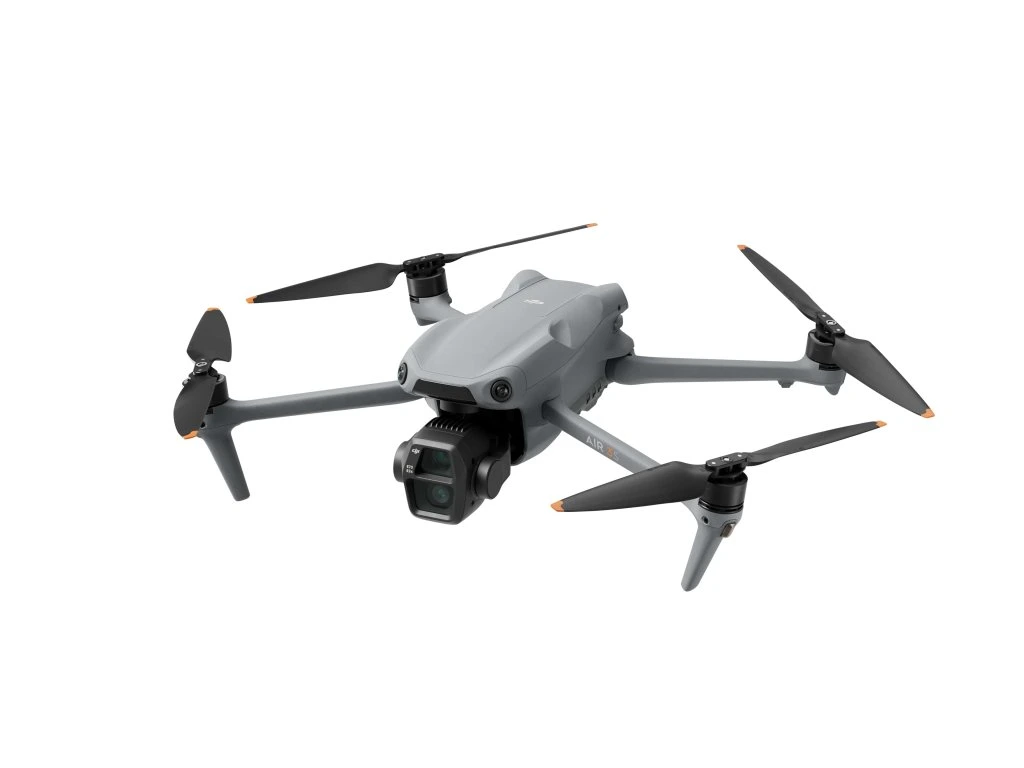
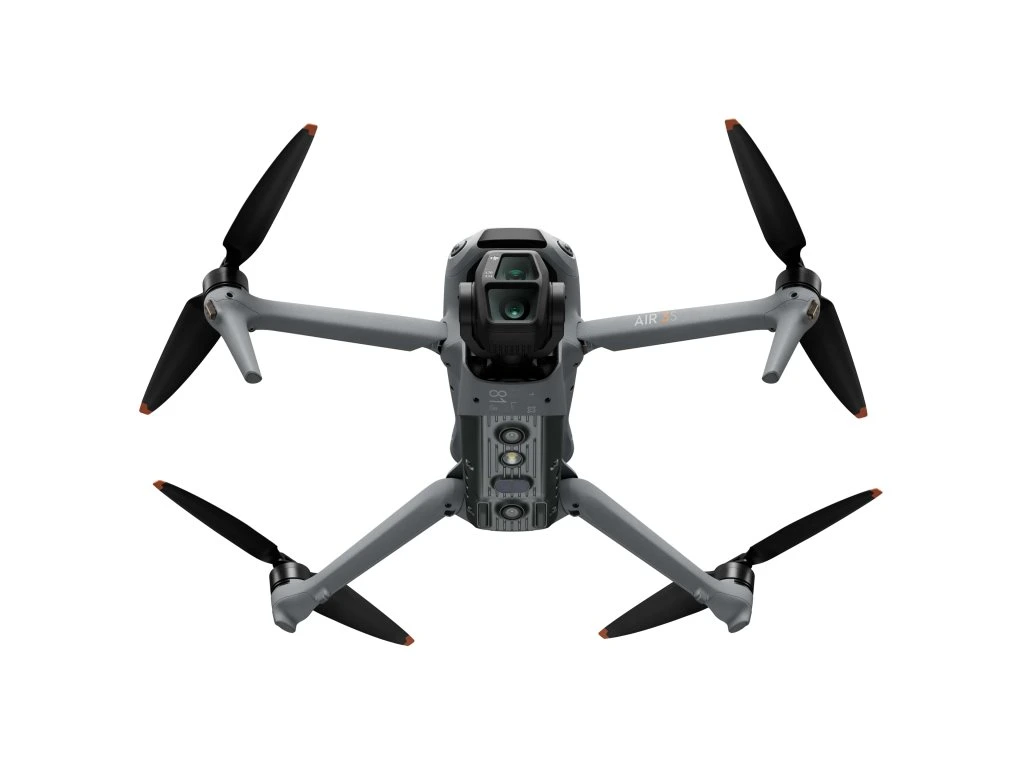
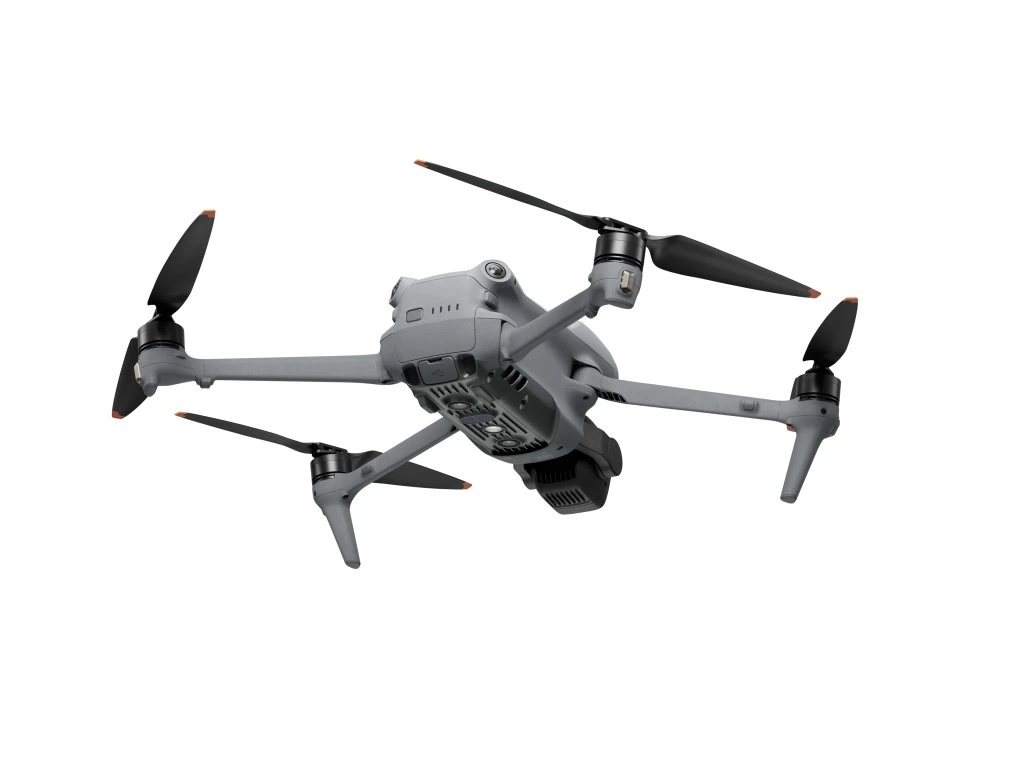
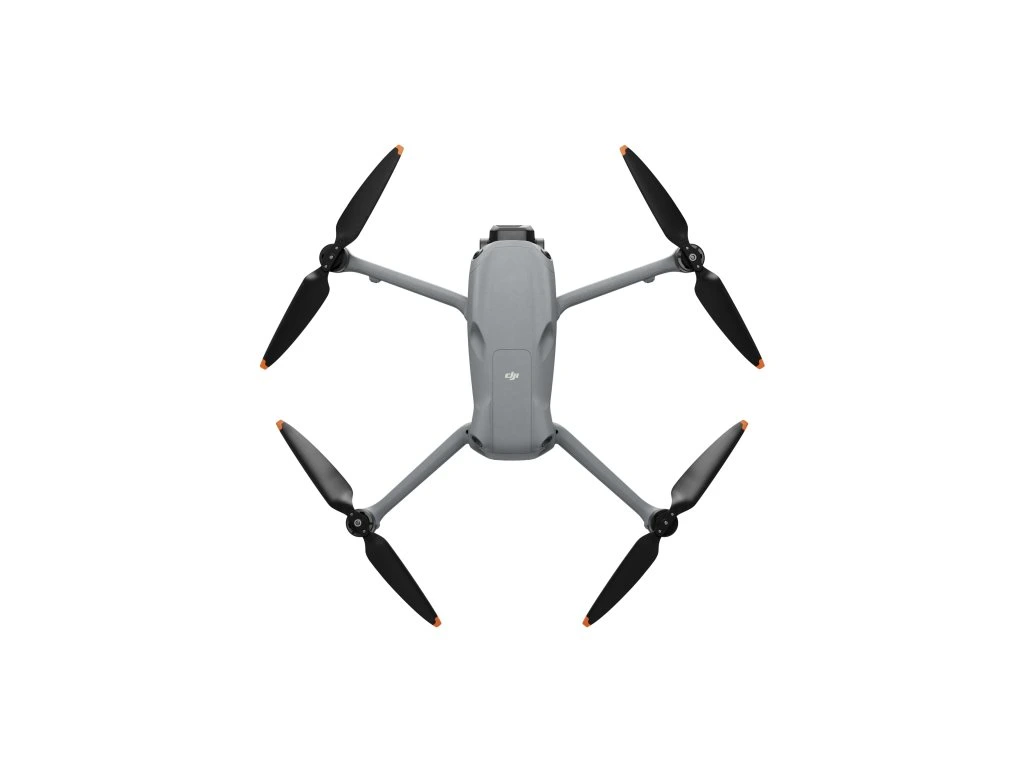
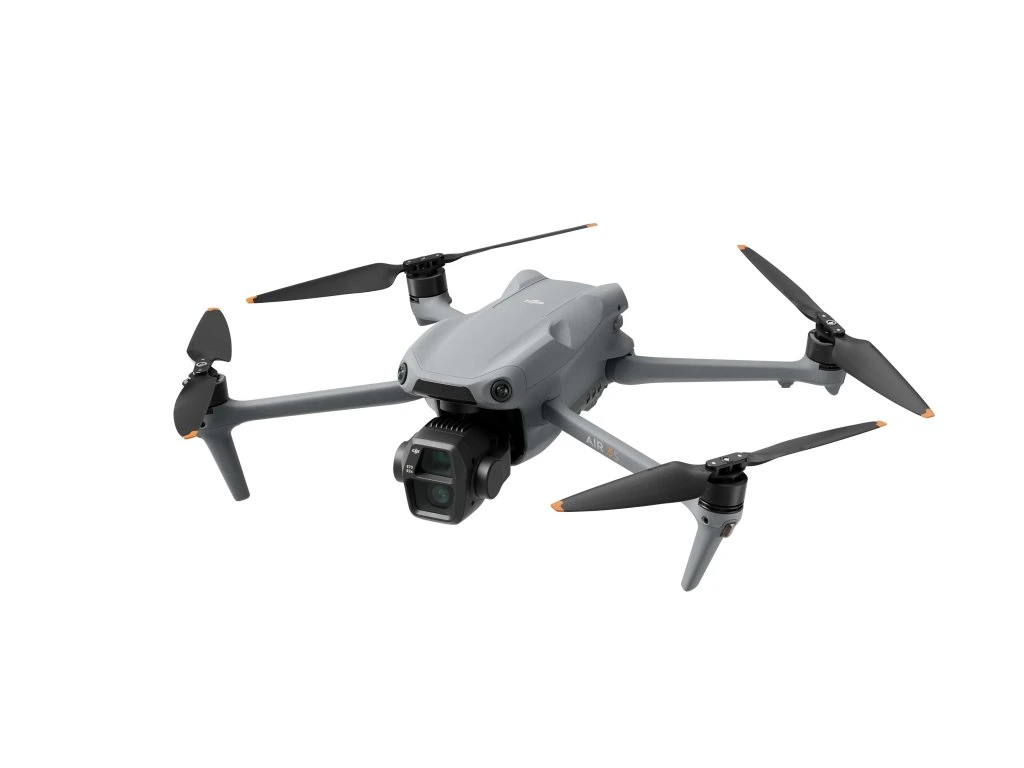
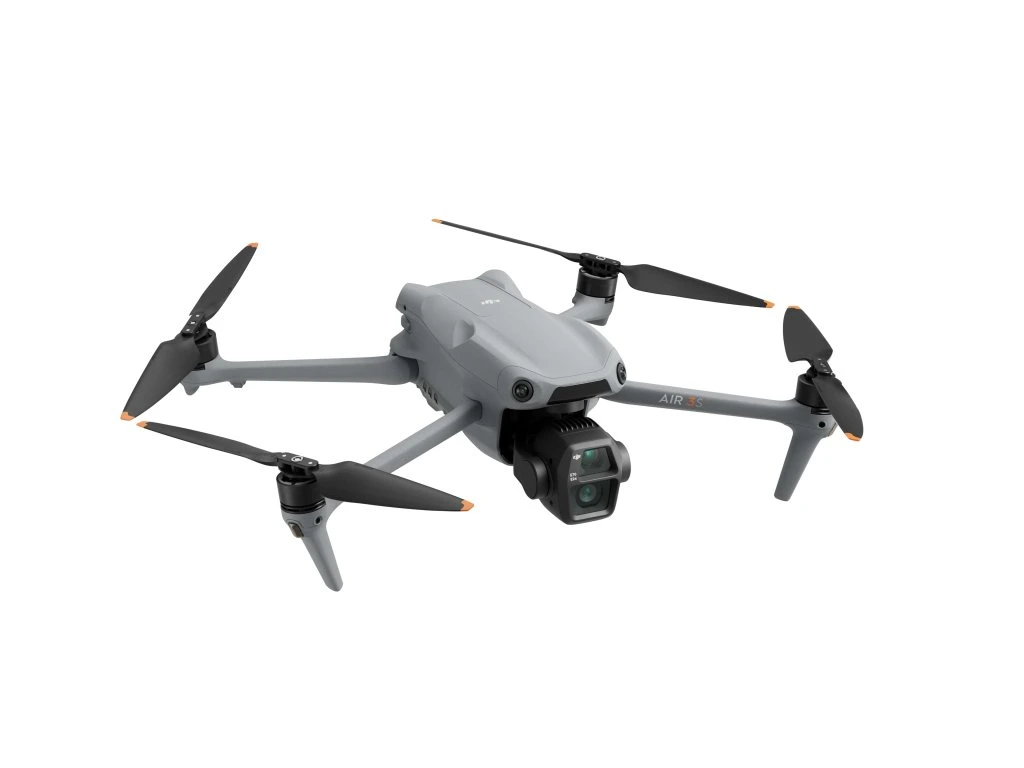
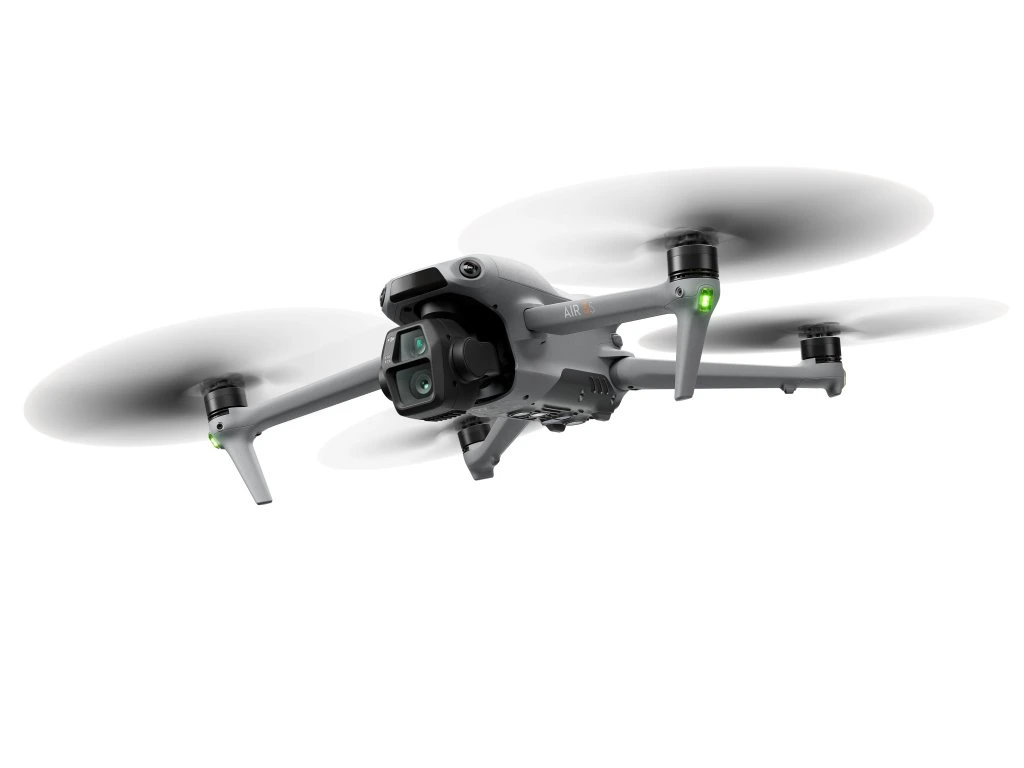
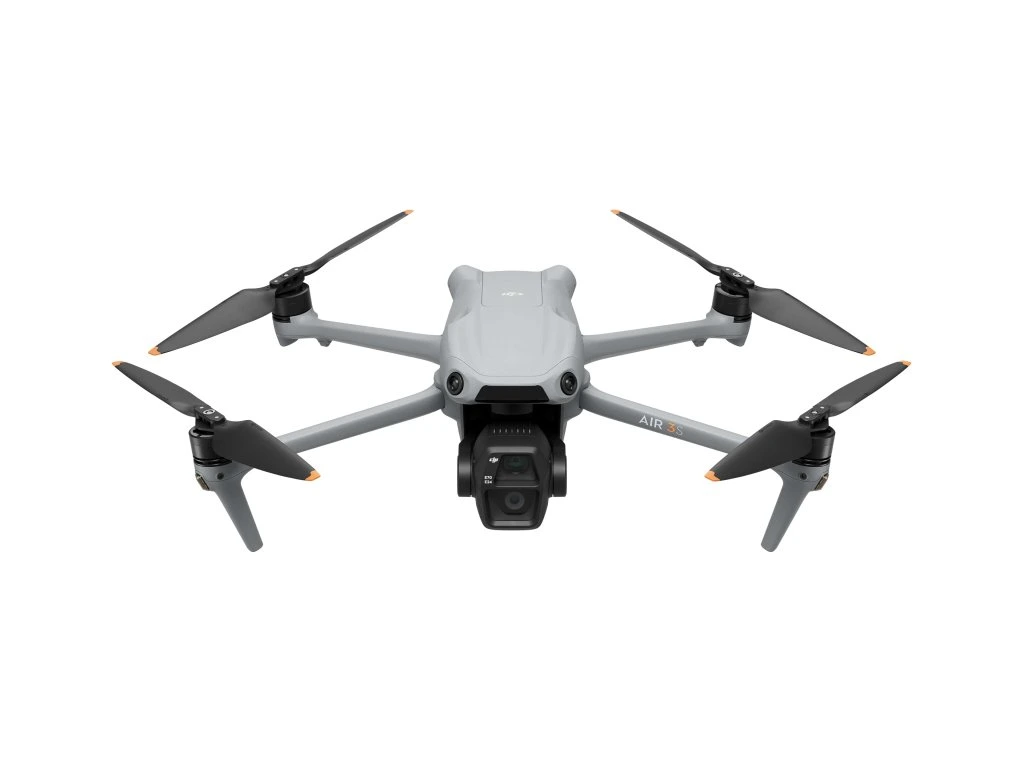
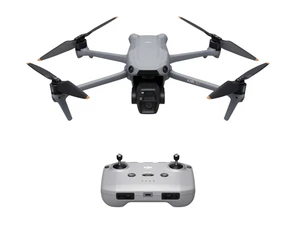 DJI Air 3S (DJI RC-N3)
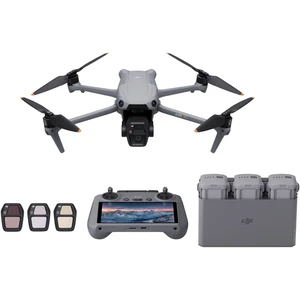 DJI Air 3S (DJI RC-N3)
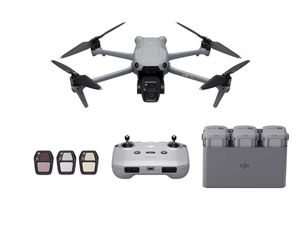 DJI Air 3S Fly More Combo (DJI RC 2)
-
 discount 5%AvailabilityAvailability: In stockPrice: 59,90 €save: 3,00 €56,90 €
1 099,00 € incl. tax

DJI Air 3S Drone with Dual Camera
DJI Air 3S is a dual-camera drone designed for travel photography, integrating numerous advanced technologies. With the main camera featuring a one-inch CMOS sensor and a medium telephoto lens with a 70mm focal length, both with up to 14 EV dynamic range [1], DJI Air 3S captures landscapes, portraits, and other scenes in stunning detail. Both cameras also support the new Free Panorama feature, which allows flexible framing selection. Other new features include Night Composition with omnidirectional obstacle detection [2] and the next-generation Smart RTH function for enhanced safety during nighttime photography. DJI Air 3S is designed to help you make the most out of every flight.
Main camera with one-inch CMOS sensor
Dual camera 4K/60fps HDR video & 14 EV dynamic range [1]
Free Panorama, smooth and detailed shots
Omnidirectional obstacle detection for night composition [2]
Next-generation Smart RTH with improved accuracy
45-minute flight time [3], 20 km video transmission [4]
Dual Camera, Unmatched Image Quality
DJI Air 3S features a dual-camera system consisting of a main camera with a one-inch CMOS sensor and a medium telephoto lens with a 1/1.3-inch CMOS sensor. The main camera has a larger CMOS sensor and a 24mm focal length lens, ideal for capturing landscape photography with enhanced clarity and a wide field of view. The medium telephoto lens with a 70mm focal length excels at portraits and shots of vehicles, offering shallower depth of field and emphasizing any subject with a bolder, more cinematic look.
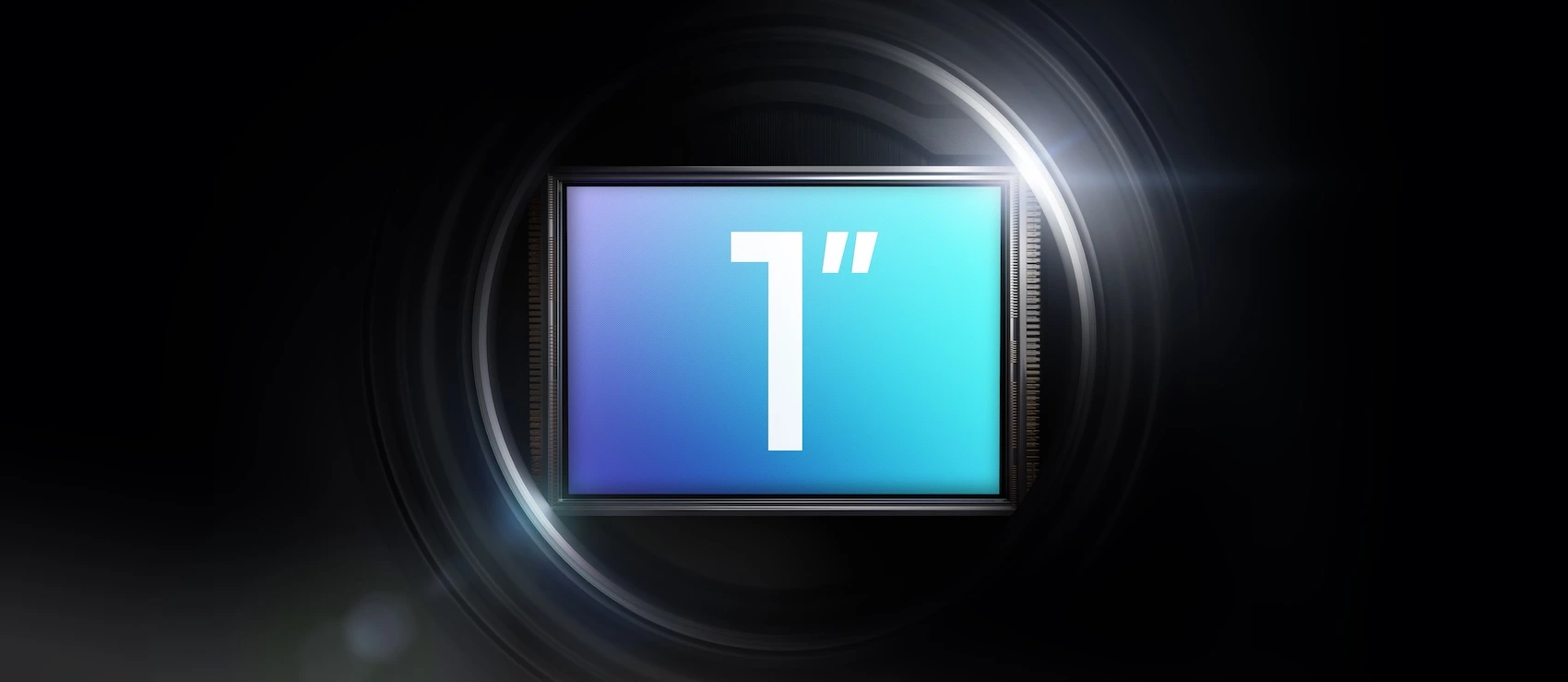
Main Wide-Angle Camera with 1″ CMOS Sensor:
Pixel size 3.2 μm [5]
24mm equivalent format
50 MP
Aperture f/1.8
Medium Telephoto Lens with 1/1.3″ CMOS Sensor:
Pixel size 2.4 μm [5]
70mm equivalent format
48 MP
Aperture f/2.8
Main Camera with 1″ CMOS Sensor: Stunning Details for Travel Photography
The main camera of DJI Air 3S is equipped with a 50 MP one-inch CMOS sensor, supporting 4K/60fps HDR and 4K/120fps video recording [6], as well as 10-bit D-Log M color mode. This large sensor, enhanced by advanced image processing technology and intelligent algorithms, captures even the smallest details in low-light conditions, such as sunsets or nighttime scenes, delivering effortlessly stunning images.
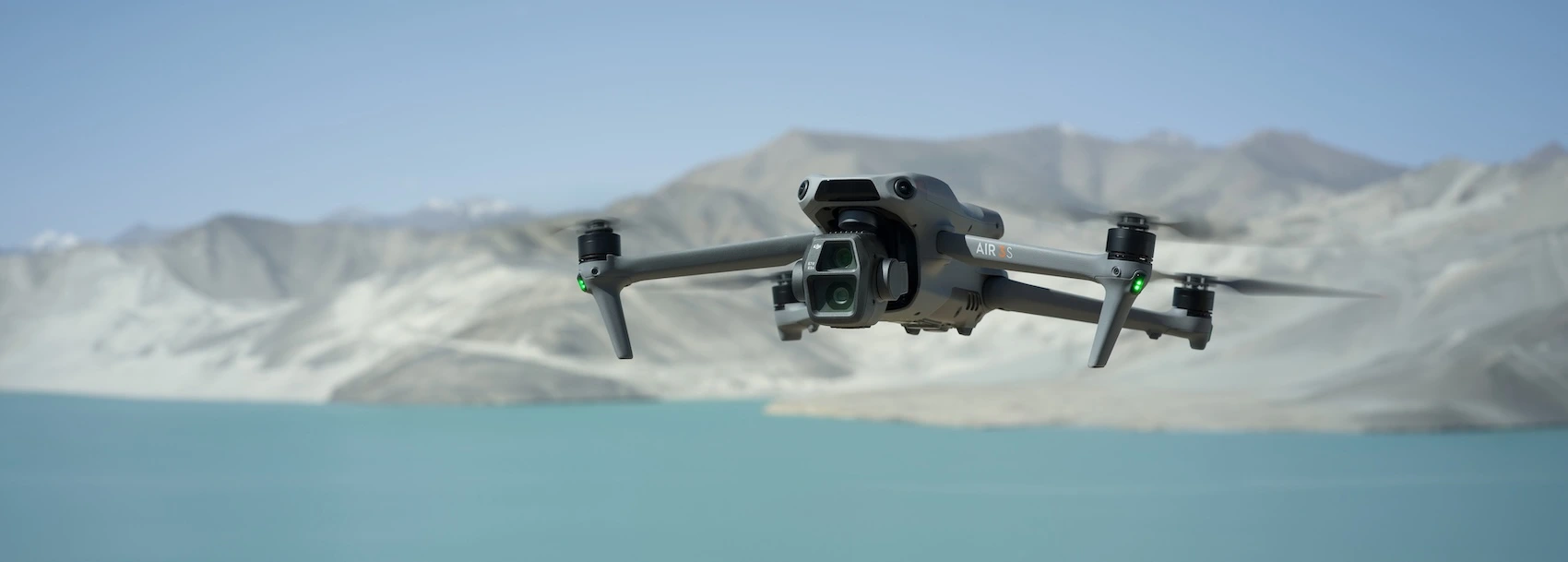
Enhanced Image Quality, Stunning Sceneries
4K/60fps HDR Video | 4K/120fps Video | 10-bit Video in D-Log M and HLG Modes |
The latest HDR video mode offers up to 14 EV dynamic range [1], allowing cinematic shots in high-contrast scenes, such as details in cloud textures or other elements during sunrise and sunset.
| Enhanced resolution and frame rate bring a lively perspective to cultural or sports events, opening up exciting possibilities for post-production.
| Even in standard color mode, DJI Air 3S can record 10-bit video with H.265 encoding, ensuring smoother color rendering and greater flexibility in post-production, while maximum ISO has increased to 12,800. In D-Log M and HLG color modes, the maximum ISO is increased to 3,200, allowing more clarity and details in nighttime city scenes. |
Medium Telephoto Lens: Unforgettable Portraits
The medium telephoto lens with a 48MP 1/1.3-inch CMOS sensor supports the same video specifications and color modes as the main camera. This guarantees visually consistent shots, which significantly eases post-production. The 70mm lens offers 3x optical zoom, allowing you to capture unique shots from a distance while emphasizing your subject. When using DJI Air 3S to orbit around a subject and record 4K video, you can easily create detailed and expressive close-up portraits.
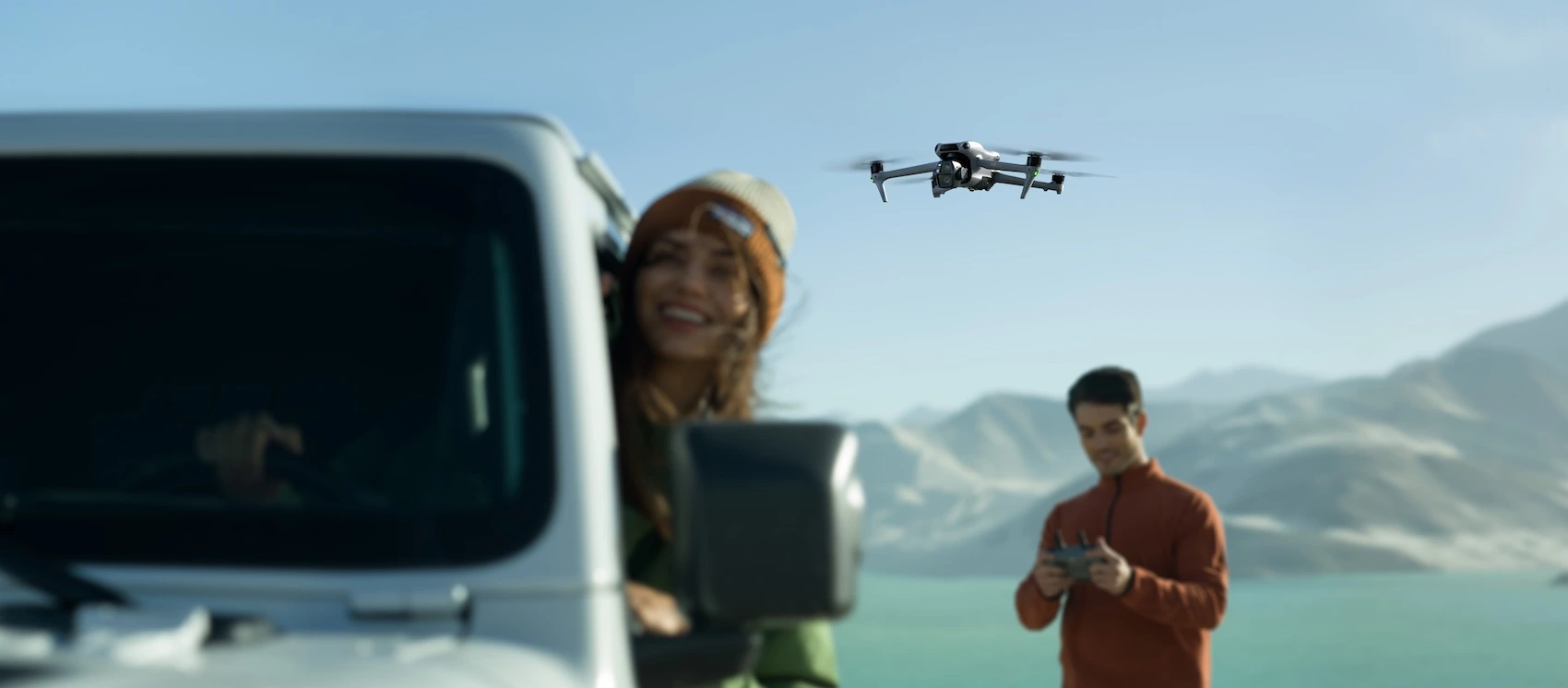
Focus on Details, Maximize Focal Power
4K/60fps HDR Video | 4K/120fps HDR Video [6] | 10-bit Video in D-Log M and HLG Modes |
When photographing vehicle details against the sunset, the medium telephoto lens offers up to 14 EV dynamic range [1], capturing the rich and vibrant colors of the setting sun vividly. | While shooting slow-motion videos in 4K/120fps during skiing, the medium telephoto lens can record high-quality videos, slowed down to showcase the skier's abilities and even the finest movements. | The medium telephoto lens of DJI Air 3S also supports recording 10-bit video in standard color mode with H.265 encoding, which provides fine colors and greater flexibility in post-production. When activating the 10-bit D-Log M mode, the camera captures richer color details and beautifully renders city lights as night falls. |
Free Panorama
Both DJI Air 3S cameras, including the main and medium telephoto lenses, offer a Free Panorama mode, allowing smooth panoramic shots by combining multiple frames with a manually selected subject or area. The wide-angle camera provides a broader field of view (FOV), enhancing efficiency when creating panoramic photos. The medium telephoto lens significantly reduces image distortion, enabling expansive shots with a wide perspective from multiple frames and rich details thanks to its focal length.
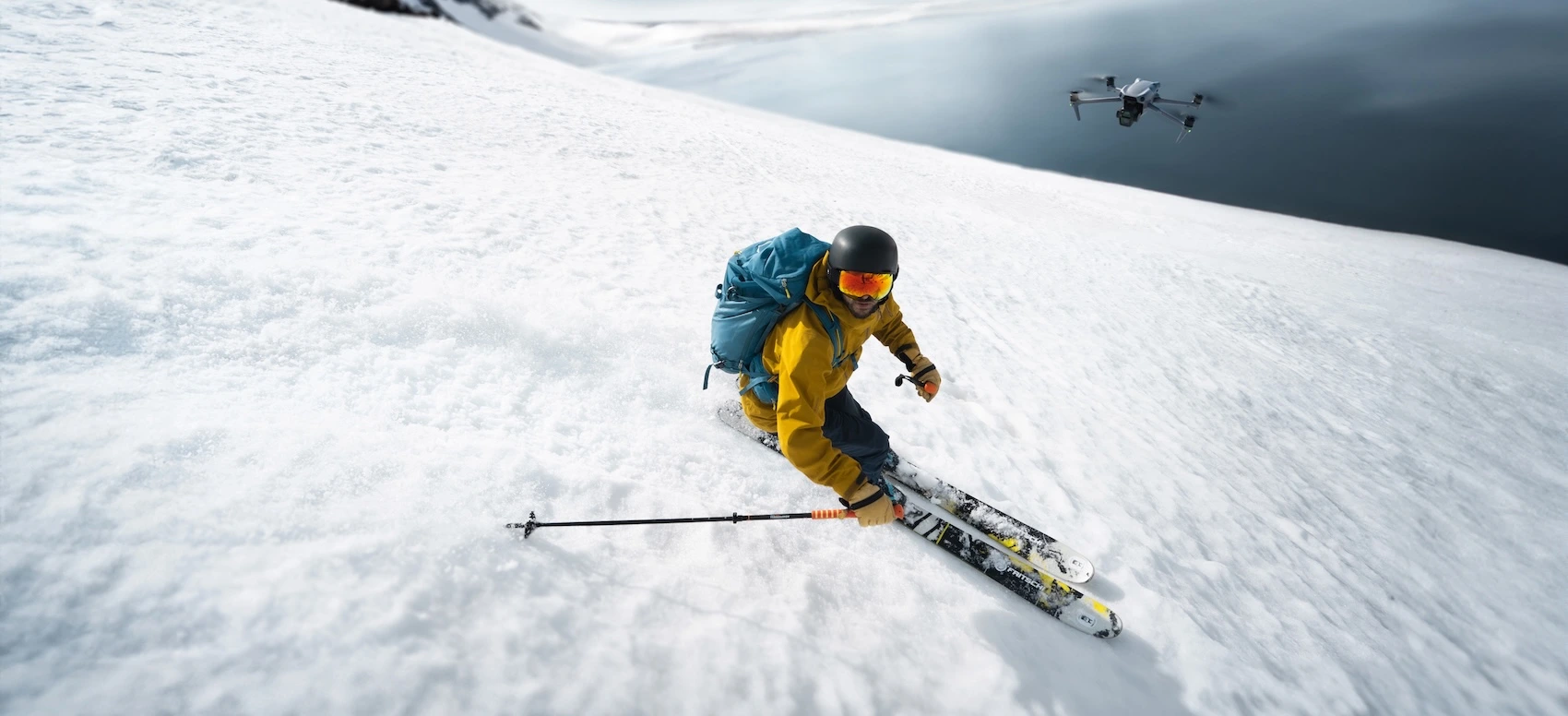
DJI Air 3S also supports popular user features such as 2.7K vertical shooting, MasterShots, QuickShots, Hyperlapse, and more, making it a versatile creative tool in one compact drone.
Safer Night Flying for Creative Night Owls
Omnidirectional Obstacle Detection System
DJI Air 3S supports the Advanced Pilot Assistance System (APAS). Additionally, as the first DJI drone equipped with a forward-facing LiDAR, Air 3S also has bottom Time of Flight (ToF) infrared sensors and six visual sensors (two in the front, two in the back, and two below), enabling omnidirectional obstacle detection during night flying. [2] This feature allows the drone to automatically recognize and avoid obstacles such as buildings, particularly during flights and return journeys, ensuring solid safety during nighttime photography.
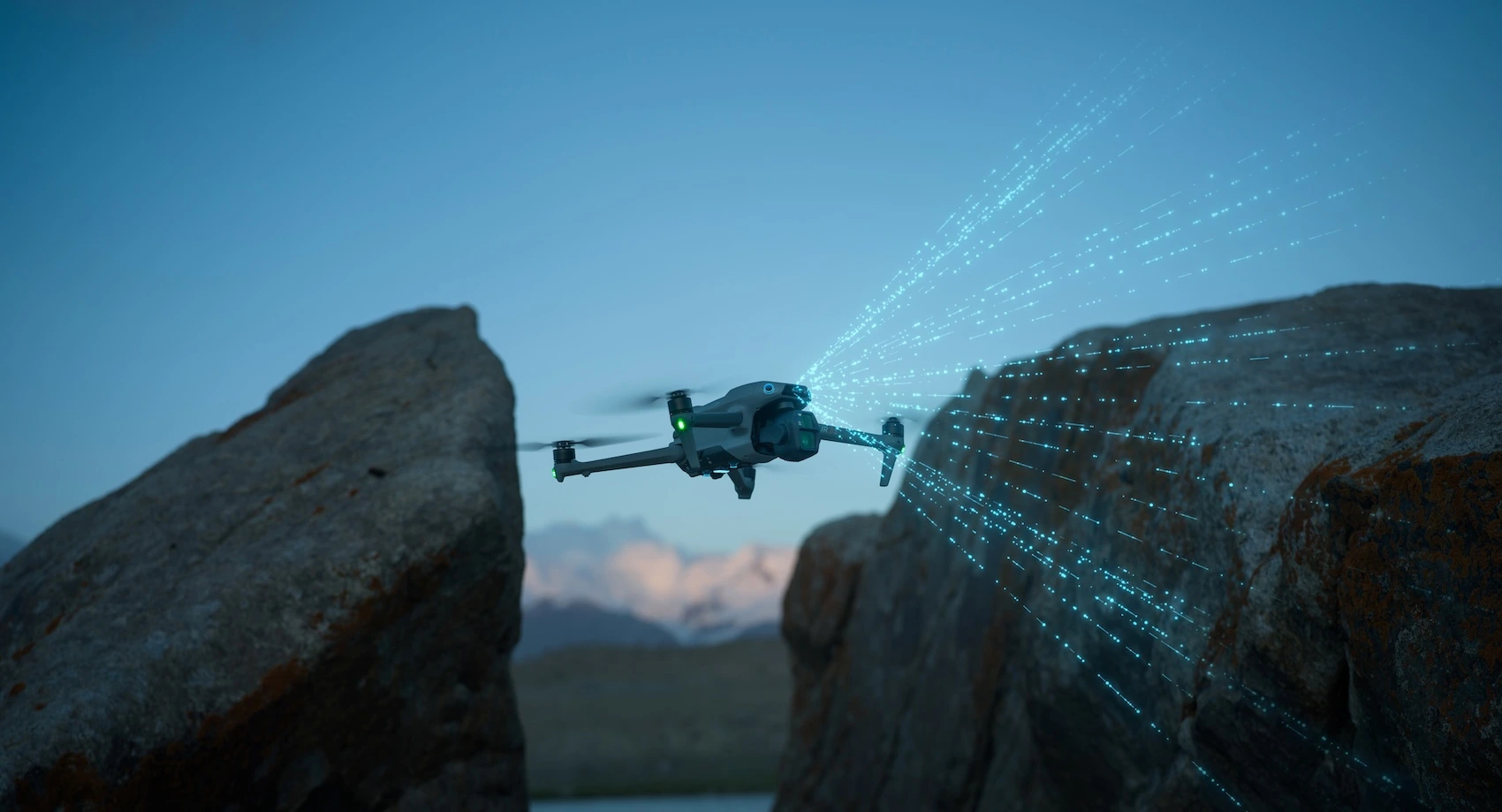
Omnidirectional Obstacle Detection in Nighttime Scenes
Next-generation Smart RTH
Non-GPS RTH | Night RTH |
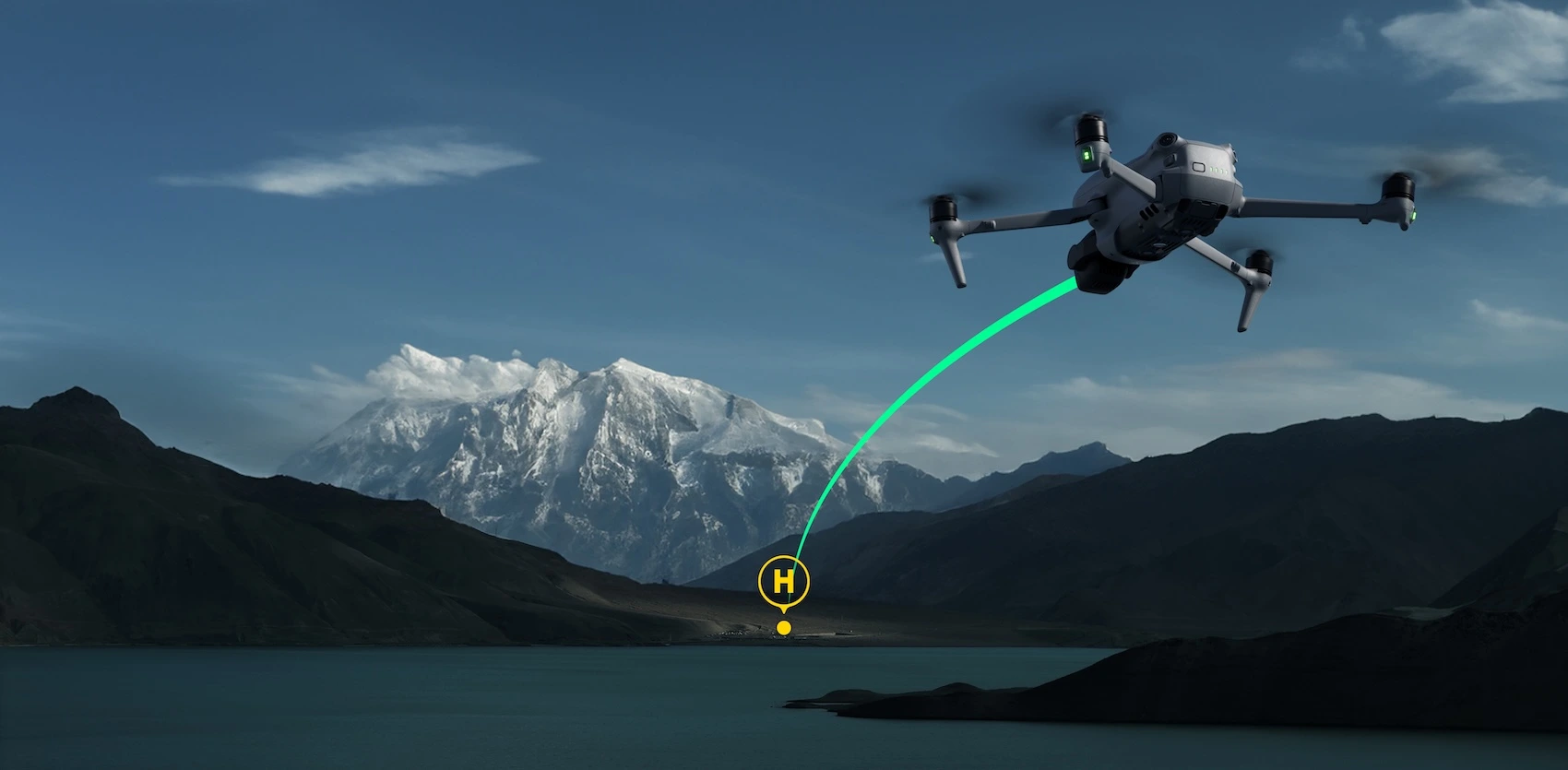
Thanks to real-time visual positioning technology and custom map construction, DJI Air 3S remembers flight paths when there is sufficient light available. This ensures a safe return even when taking off from locations without satellite signal availability, such as balconies. [7] | With forward-facing LiDAR, DJI Air 3S can detect obstacles such as high-rise buildings and safely circle upward [7], even in low-light conditions, ensuring a safer return, especially at night. |
Enhanced Visual Assistance
Vision Assist in DJI Air 3S provides a view not only forward, backward, left, and right but also downward, helping the drone and you to better understand the surroundings during the flight.
DJI Air 3S also offers Waypoint Flight and Cruise Control features, allowing you to pre-set flight paths and camera actions, quickly locking the stick inputs.
ActiveTrack 360° for Effortless Visual Appeal
New Aerial Aesthetic
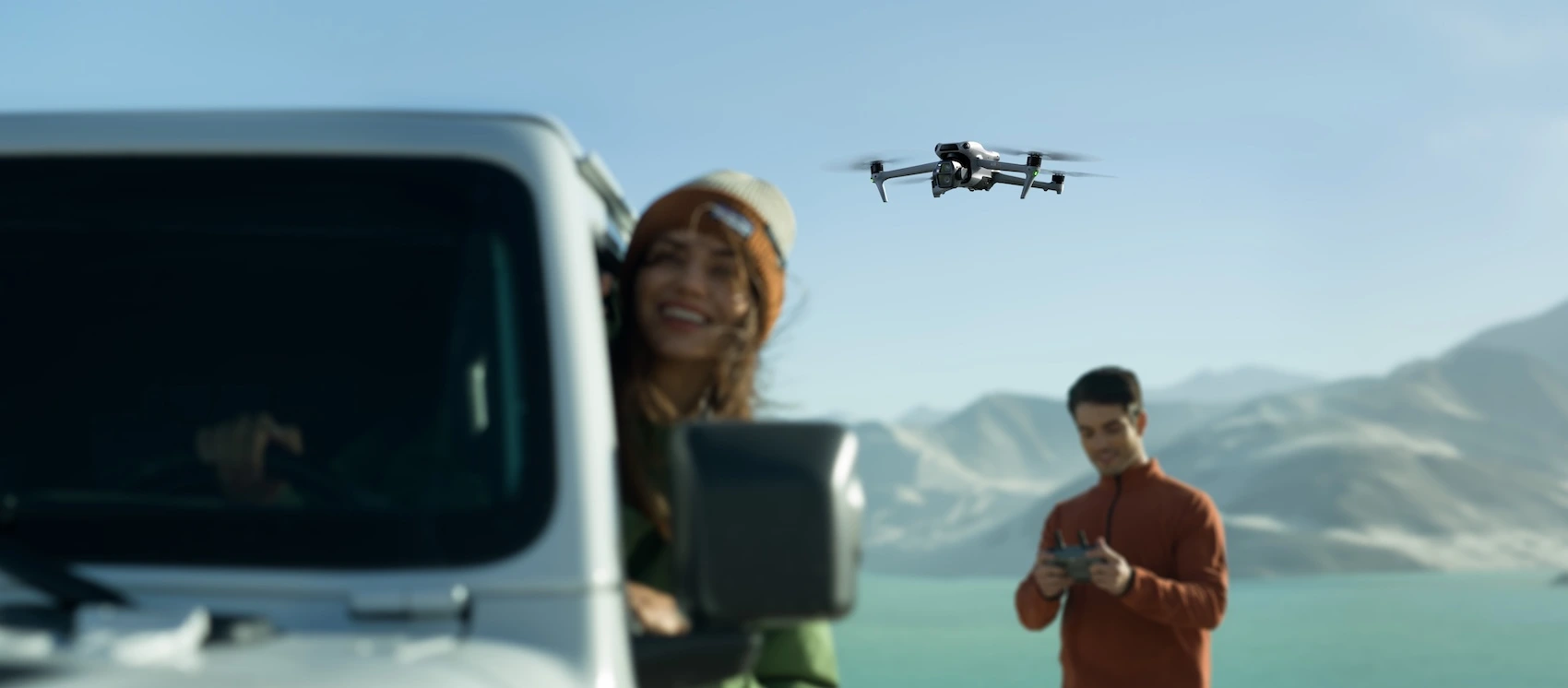
DJI Air 3S is equipped with ActiveTrack 360°, which keeps any subject in the frame at all times. Based on the surroundings, it automatically plans flight paths and adjusts framing to ensure flawless shots that keep your subject in focus.
ActiveTrack 360° | Optimized Tracking Performance |
ActiveTrack 360° enables DJI Air 3S to automatically avoid distracting backgrounds while tracking a subject. | Once tracking begins, DJI Air 3S can keep the subject in the frame, even if the lower part of its body is partially covered by bushes or if it is standing on a bridge. |
Stay Focused
DJI Air 3S introduces a new feature Subject Focusing, which keeps the subject in sharp focus, even when flying manually or the subject moves off-center. This feature allows you to fully concentrate on other aspects such as composition and camera movement.
Extend Flight Time and Transmission Range
With up to 45 minutes of flight time [3], DJI Air 3S provides you with enough time to explore locations, compose, capture shots, and repeat the process again and again.
10-bit Video Transmission OcuSync O4
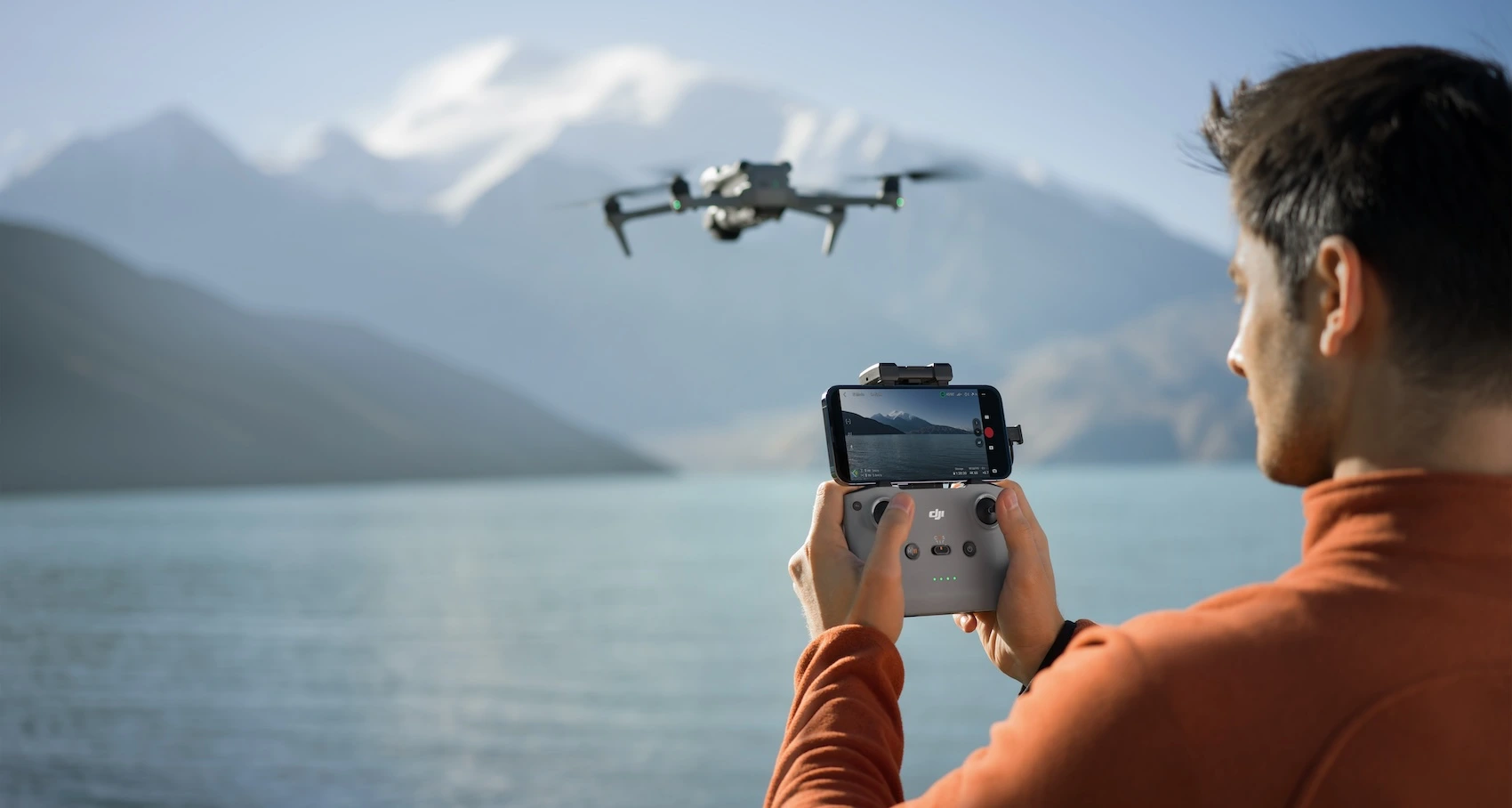
Thanks to DJI OcuSync O4 FHD video transmission technology, Air 3S transmits 10-bit video in 1080p/60fps at distances of up to 20 km. [4] The live feed is reliably smooth and clear, with ultra-fast control response for a better flight experience.
Compatibility with DJI Cellular Dongle 2
DJI Cellular Dongle 2 [8] can be inserted directly into DJI Air 3S without additional accessories. In case of O4 signal obstructions or interference, you can rely on 4G cellular connection for stable video transmission and drone control.
Attention to Detail
Always Ready: 42 GB Built-In Memory
DJI Air 3S comes standard with 42 GB built-in memory, allowing you to start recording immediately without worrying about microSD cards.
Quick Data Transfer in Shutdown Mode
Now you can transfer files from Air 3S to a smartphone even when the drone is turned off. [9] Transfers to a computer can also be done while the drone is off—just connect Air 3S with a compatible USB cable.
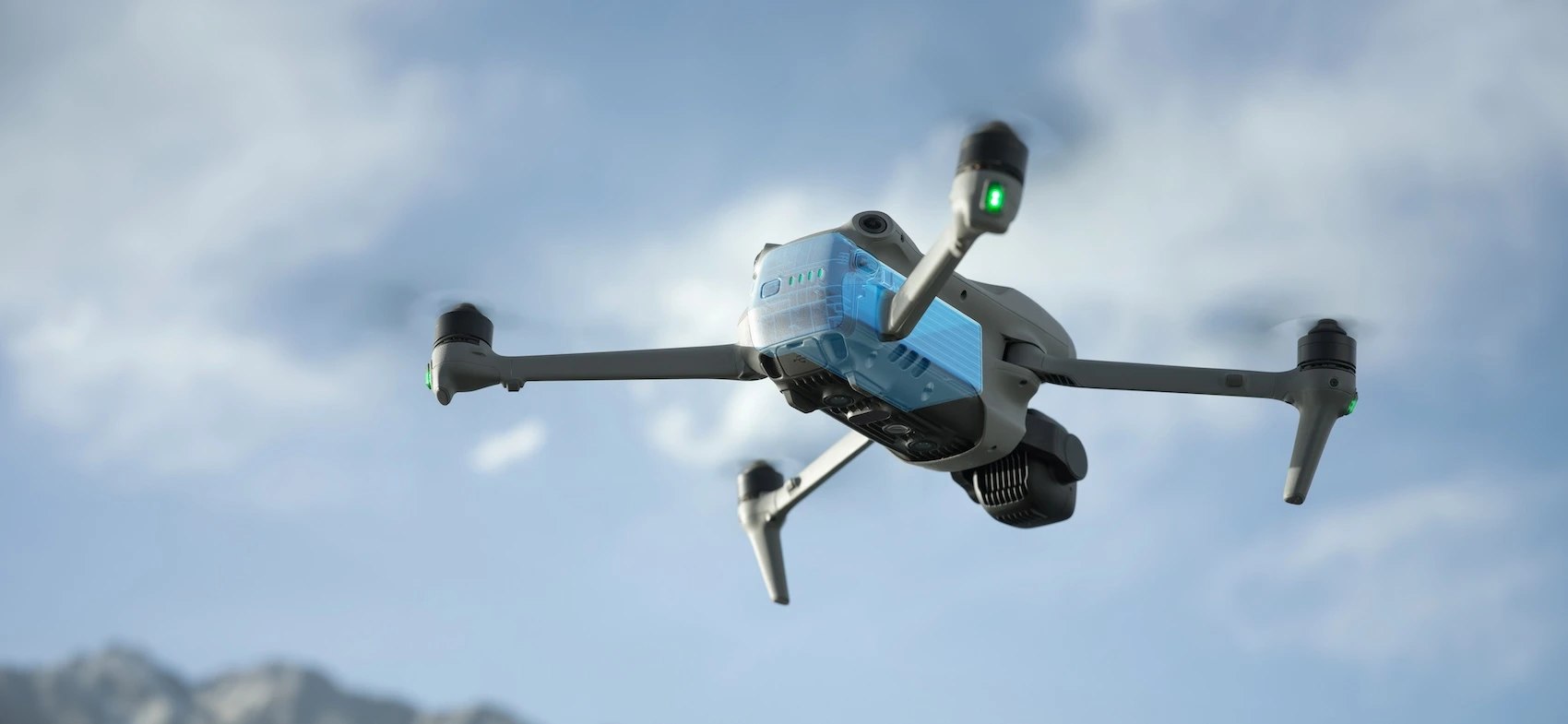
Charging Hub with Power Accumulation Function [10]
The charging hub supports PD fast charging and a power accumulation function that allows you to transfer remaining energy from multiple batteries into the battery with the highest remaining charge. [10]
Customize Your Needs
DJI Air 3S offers various combinations and accessories to meet all your needs.
DJI Air 3S (DJI RC-N3)
Includes the standard DJI RC-N3 remote controller. Use it with your smartphone for live view and flight control.
DJI Air 3S Fly More Combo (DJI RC-N3)
Includes the DJI RC-N3 remote controller, an ND filter set, two additional batteries, a charging hub, a shoulder bag, and other accessories.
DJI Air 3S Fly More Combo (DJI RC 2)
Includes DJI RC 2 with a 5.5-inch 1080p display with 700 nits brightness, an ND filter set, two additional batteries, a charging hub, a shoulder bag, and other accessories.
DJI Air 3S Intelligent Flight Battery
Provides up to 45 minutes of flight time for Air 3S, allowing you to take all desired shots during one flight.
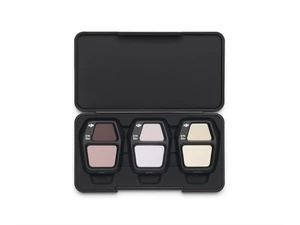
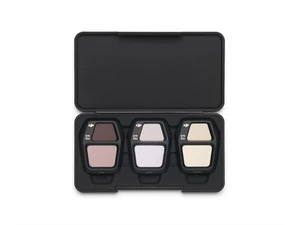
DJI Air 3S ND Filter Set (ND8/32/128)
Includes ND8/32/128 filters, allowing you to reduce shutter speed for smoother shots.
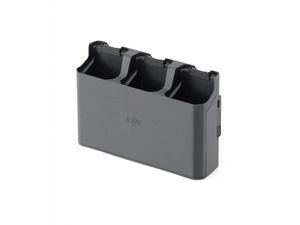
DJI Air 3 Series Battery Charging Hub
Supports sequential fast charging of up to three batteries or fast charging of devices such as remote controllers and smartphones. It can also transfer the remaining energy from multiple batteries to one with the highest charge. [10]
DJI Air 3S Wide-Angle Lens
Utilize optics that extend the wide-angle camera's field of view (FOV) to 114°, offering a broader perspective while shooting. [8]
DJI Cellular Dongle 2
An integrated solution for DJI Air 3S that requires no additional installation kit. Ensures a stable connection to a 4G network, reducing the risk of signal loss. [8]
DJI Air 3S | |||
Weight | 724 g | 720 g | 958 g |
Image Sensor | Wide-angle camera: 1" CMOS, 50 MP Medium telephoto lens: 1/1.3" CMOS, 48 MP | Wide-angle camera: 1/1.3" CMOS, 48 MP Medium telephoto lens: 1/1.3" CMOS, 48 MP | Hasselblad camera: 4/3 CMOS, 20 MP Medium telephoto lens: 1/1.3" CMOS, 48 MP Telephoto camera: 1/2" CMOS, 12 MP |
Maximum Video Resolution | 4K/60fps HDR or 4K/120fps | 4K/60fps HDR or 4K/120fps | 5.1K/50fps |
Obstacle Detection | Omnidirectional night detection (up, down, left, right, front, back) Equipped with forward-facing LiDAR | Omnidirectional (up, down, left, right, front, back) | Omnidirectional (up, down, left, right, front, back) |
Flight Time | 45 minutes | 46 minutes | 43 minutes |
Maximum Video Transmission Range | 20 km (FCC), 10 km (CE/SRRC/MIC) | 20 km (FCC), 10 km (CE/SRRC/MIC) | 15 km (FCC), 8 km (CE/SRRC/MIC) |
Package Contents
1x DJI Air 3S
1x DJI RC-N3 remote controller
1x DJI RC-N3/N2/N1 RC Cable (USB-C)
1x DJI RC-N3/N2/N1 RC Cable (Lightning)
1x DJI Air 3S Intelligent Flight Battery
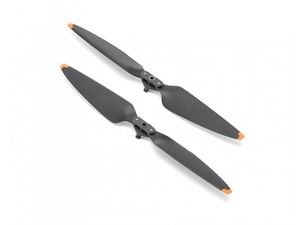
1x DJI Air 3 Series Spare Low-Noise Propellers (Pair)
1x DJI Air 3S Gimbal Protector
1x Documentation
1x Type-C to Type-C PD Cable
Notes
*All videos and photos on this page were captured by professionals using DJI Air 3S in strict compliance with local laws and regulations and were subject to various post-production. Videos and photos are for reference only. Actual results may vary. Always follow local laws and regulations and ensure that the aircraft has obtained the necessary airspace certifications and permits before flying.
** All data on this page were collected with a production model DJI Air 3S in a controlled test environment. Actual experiences may vary depending on the environment, method of use, and firmware version. DJI Air 3S must be activated through the DJI Fly app before use.
*** It is recommended to use the ActiveTrack 360° feature in open environments. For unsupported scenarios or those that may interrupt recording, please refer to the user manual. Be cautious when using automatic mode in challenging environments with many obstacles to ensure flight safety and personal safety.
**** All images, videos, and screen content of the product itself are for reference only. Actual product effects (including, but not limited to, appearance, color, and size) and screen content (including, but not limited to, background, user interface, and illustrations) may vary.
1. 14 EV dynamic range is achievable for video in auto mode, but not for vertical or slow-motion video.
2. Conditions for activating omnidirectional obstacle detection in night scenario: The front, rear, left, right, or top of the drone must be within the reach of surfaces with recognizable textures with lighting exceeding 1 lux. Similarly, the ground below the drone must be textured and diffusely reflective with reflectivity above 20% (such as walls, trees, or people), also under light conditions above 1 lux. DO NOT FLY in extreme weather conditions such as high winds (wind speed of 12 m/s or more), snow, rain, lightning, or fog. DO NOT FLY at altitudes above 6,000 m (19,685 feet) above sea level. DO NOT TAKE OFF from moving objects such as cars or boats. DO NOT FLY near reflective surfaces such as water or snow, as the sensing system may not function correctly. When GNSS signals are weak, fly in well-lit environments: The front, rear, left, right, and top of the drone must be within the reach of surfaces with recognizable textures and lighting above 10 lux. Similarly, the ground below the drone must be textured and diffusely reflective with reflectivity above 20% under lighting above 10 lux. The visual system may not function properly in dim environments. DO NOT FLY near areas with magnetic or radio interference. Known sources of magnetic or radio interference include Wi-Fi hotspots, routers, Bluetooth devices, high-voltage power lines, power stations, radar stations, mobile stations, and broadcasting towers. Avoid sand getting into the aircraft when taking off in desert or beach areas. Fly in open areas away from crowds. Buildings, mountains, and trees can block GNSS signals and affect the onboard compass.
3. Measured with DJI Air 3S flying forward at a constant speed of 32.4 km/h in windless conditions at sea level, with obstacle avoidance action set to "Stop," in photo mode, and with the battery charged from 100% to 0%. Data is for reference only. Always pay attention to alerts in the app during the flight.
4. Measured in an outdoor, unobstructed environment free of interference, following FCC standards. The above data shows the longest communication range for one-way flights without a return. Always pay attention to alerts in the app during the flight.
5. Achieved using QBC (Quad Bayer Coding) techniques that combine four pixels into one. Not supported when shooting in 48 MP or 50 MP format.
6. 4K/120fps video recording is supported only in Slow Motion mode.
7. Conditions for remembering flight paths: The front, rear, left, right, and top of the drone must be within the reach of surfaces with recognizable textures and lighting above 10 lux. Similarly, the ground below the drone must be textured and diffusely reflective with reflectivity above 20% under lighting above 10 lux. If the drone takes off from a balcony, ensure the usable space is at least 2x2 meters and the height above ground is less than 30 meters to ensure safe landing. If the drone reaches the altitude limit when climbing around obstacles, it will remain at this altitude. The pilot will need to control the drone manually.
8. Sold separately. Available only in the EU.
9. DJI Air 3S maintains Bluetooth connection for up to 12 hours after shutdown, allowing direct connection to a smartphone without turning the drone back on. Bluetooth will automatically deactivate after 12 hours from shutting down the drone.
10. During power accumulation, do not connect a charger, external devices, or insert/remove batteries.
Related
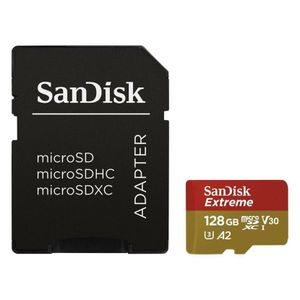
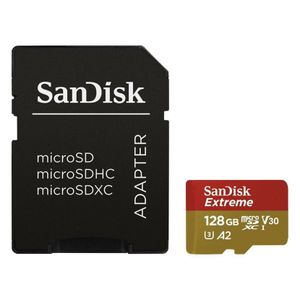
SanDisk Extreme micro SDXC 128GB + SD Adapter V30 UHS-I U3
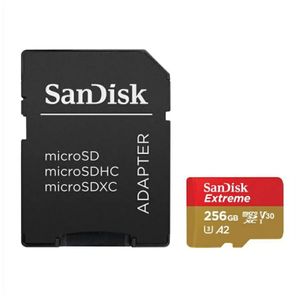
SanDisk Extreme microSDHC 256GB + SD adapter V30 UHS-I U3
SanDisk Extreme micro SDXC 64GB + SD Adapter V30 UHS-I U3



Add reply to comment: