Which security camera to choose?
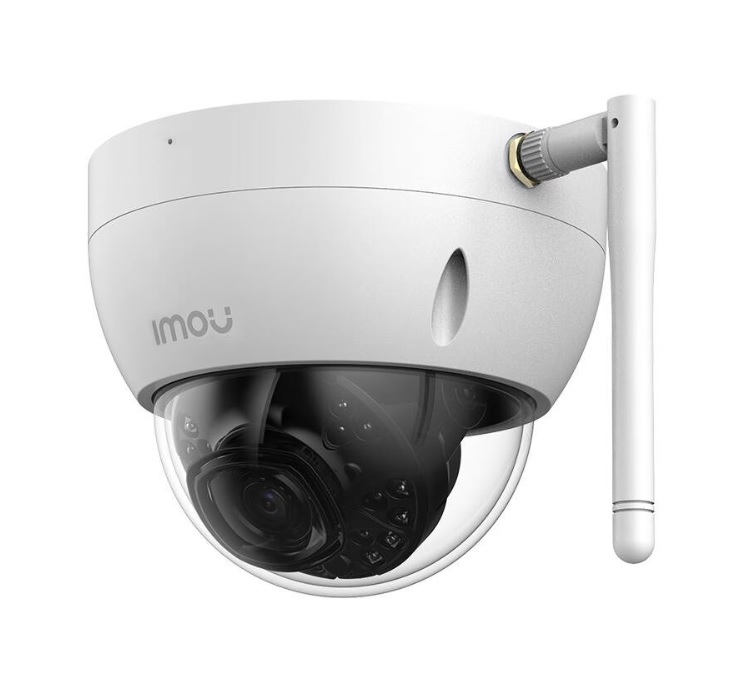 Choosing the right security camera for your home or business can be crucial for ensuring your safety. There are many different models and types of cameras available on the market, which vary in features, technologies, and prices. In this article, we will introduce you to several key factors that you should consider when selecting the ideal security camera.
1. Camera Type: Indoor or Outdoor?
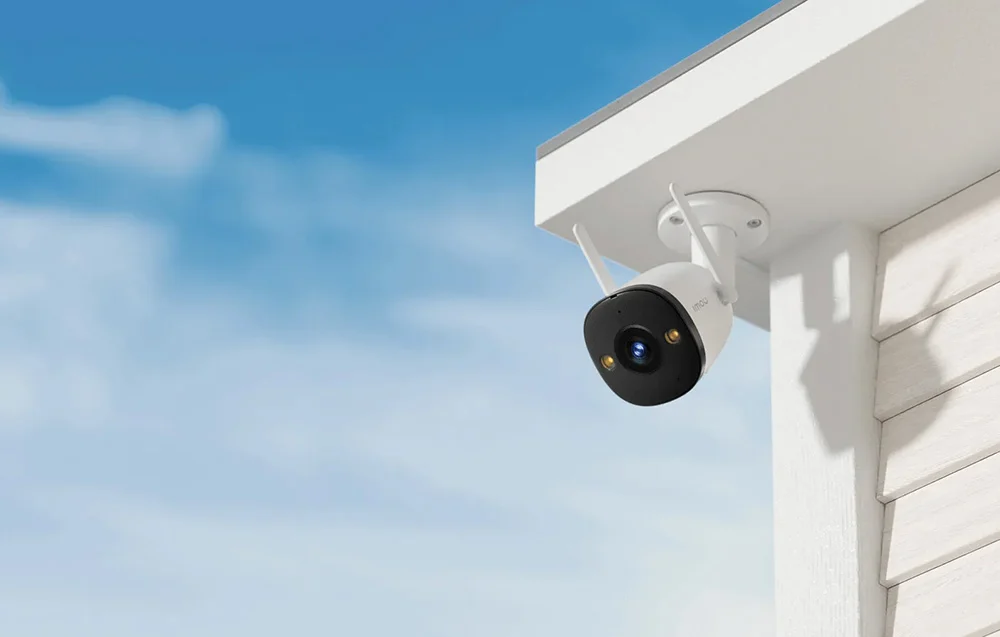
The first question you need to ask yourself is where you want to place the camera. Indoor cameras are designed for interiors, providing standard features like motion detection and night vision. Outdoor cameras, on the other hand, are weatherproof, have higher durability, and some models even offer advanced features such as two-way communication and an integrated siren to deter potential intruders.
2. Connectivity: Wi-Fi, Ethernet, or 4G LTE
Different cameras offer various connection options:
Wi-Fi cameras are the most common and provide easy setup, but they require a stable internet connection. They are ideal for homes or offices with a reliable network.
Wired cameras (Ethernet) are more reliable in terms of data transmission, but they require cable installation. They are suitable for larger buildings or businesses where stable surveillance is needed.
4G LTE cameras operate without the need for Wi-Fi or wired connection. These cameras use a SIM card for data transmission and are great for locations without internet access, such as cottages or remote places.
3. Resolution and Image Quality
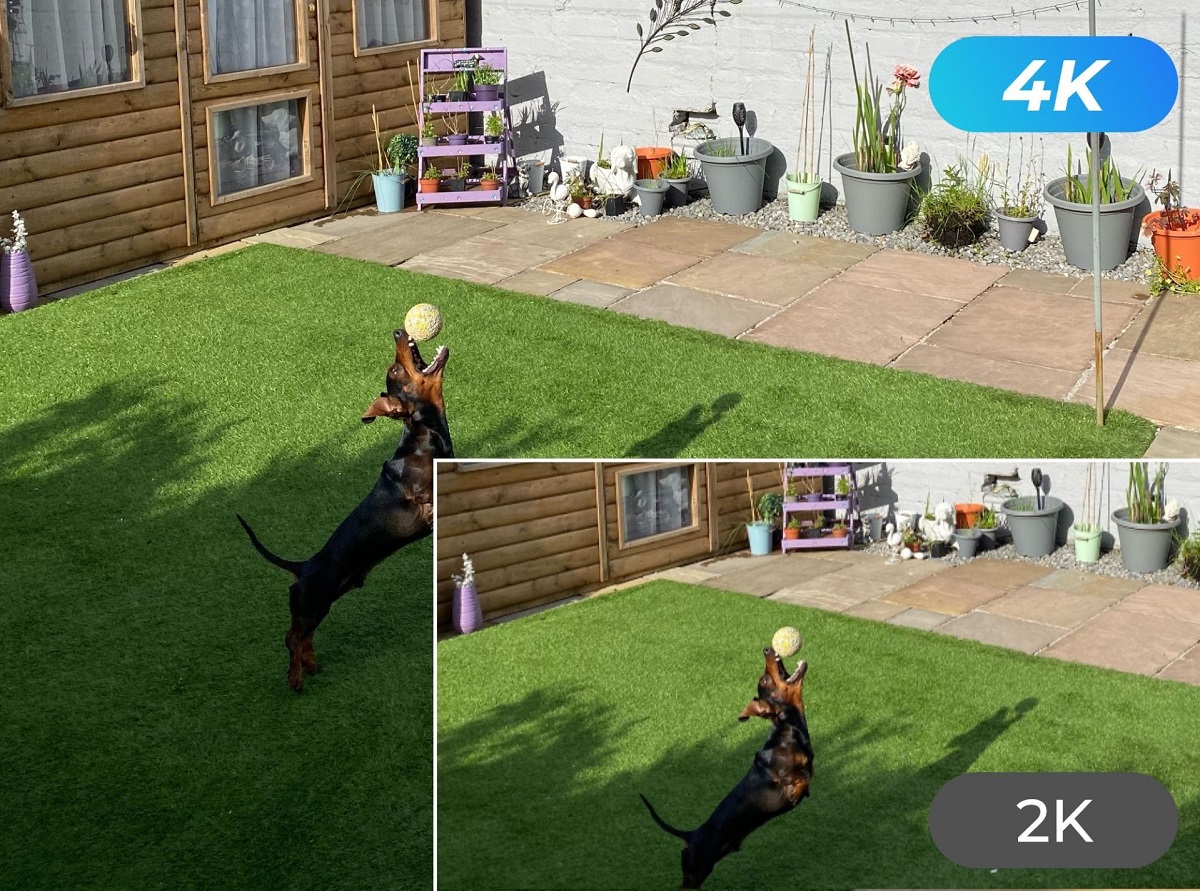
Image quality is another important factor. Basic models offer a resolution of 720p, while more advanced cameras can record in Full HD 1080p or even 4K. Higher resolution ensures better face or detail recognition, which is crucial when identifying intruders. If you are looking for high-quality images, consider models like Reolink Go PT Ultra, which offers 4K resolution.
4. Night Vision and Infrared Sensors
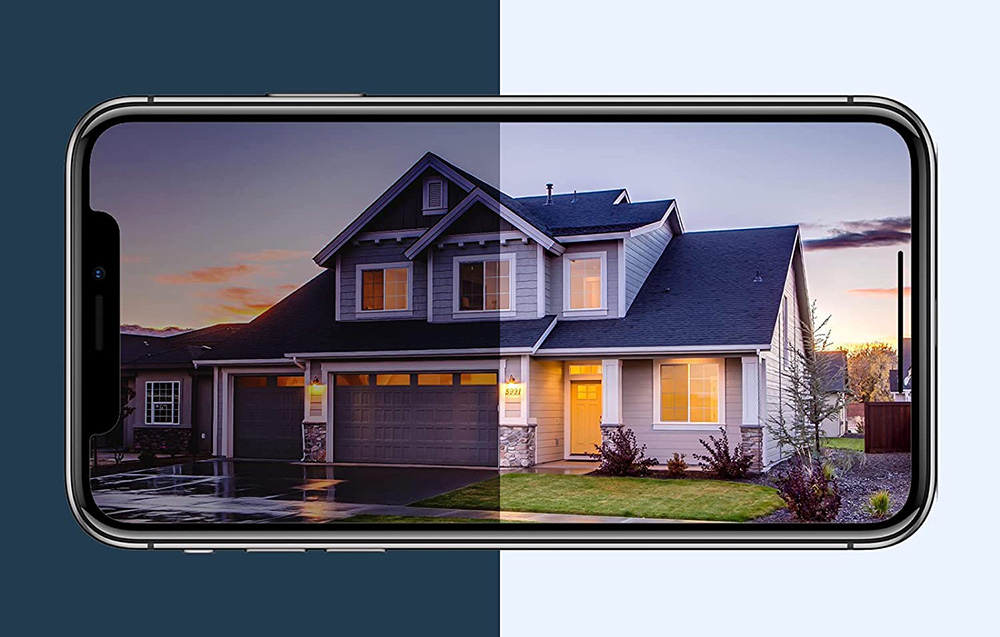
When choosing a camera, it's important to consider how it works at night. Night vision with infrared sensors allows the camera to record even in low light or complete darkness. Some advanced models offer color night vision, which can be very useful for capturing detailed events.
5. Motion Detection and Smart Features
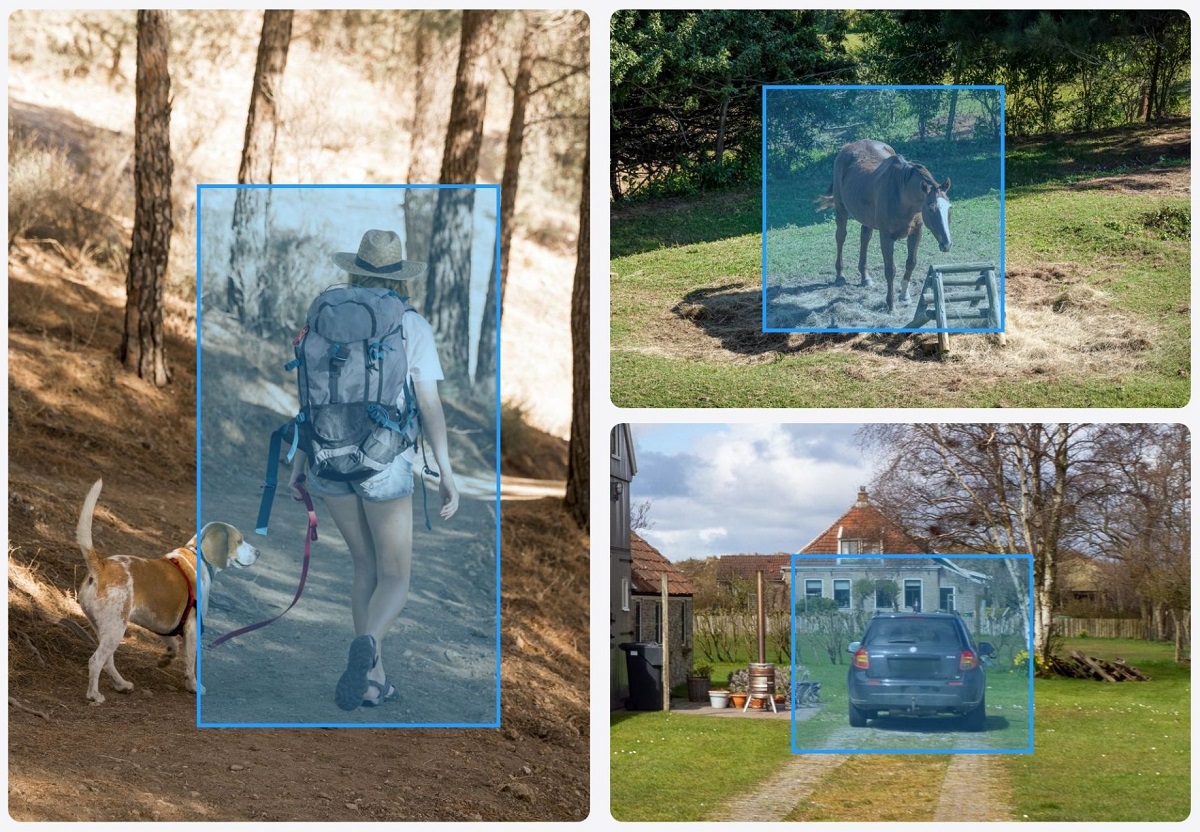
Cameras with motion detection will alert you to any movement in the monitored area. Some models, like Reolink Go PT Plus, also include smart motion tracking that automatically follows the intruder, or a built-in siren to deter unwanted guests.
6. Two-Way Communication and Sirens
If you want the ability to communicate with people in front of the camera, choose a model with two-way communication. This feature is ideal for outdoor cameras, which can be used to greet guests or deter unwanted individuals. IMOU Cruiser SE+ is one of the models offering this feature.
7. Weather Resistance
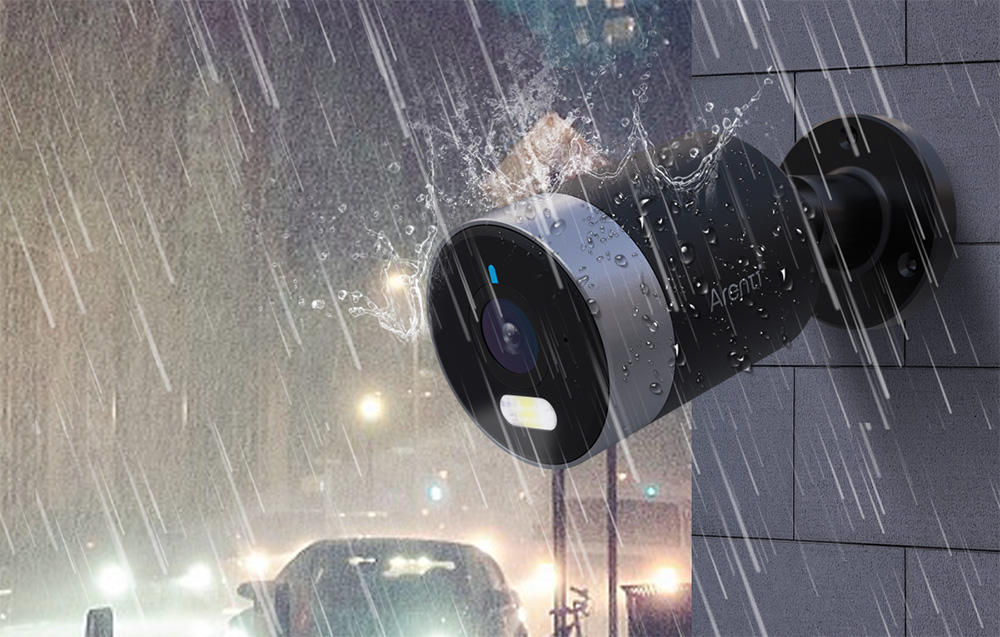
If you are looking for a camera for outdoor use, it is important that it is weatherproof. Devices with an IP66 rating or higher are resistant to rain, dust, and extreme temperatures. This type of camera is ideal for continuous monitoring regardless of outdoor conditions.
8. Solar Power and Batteries
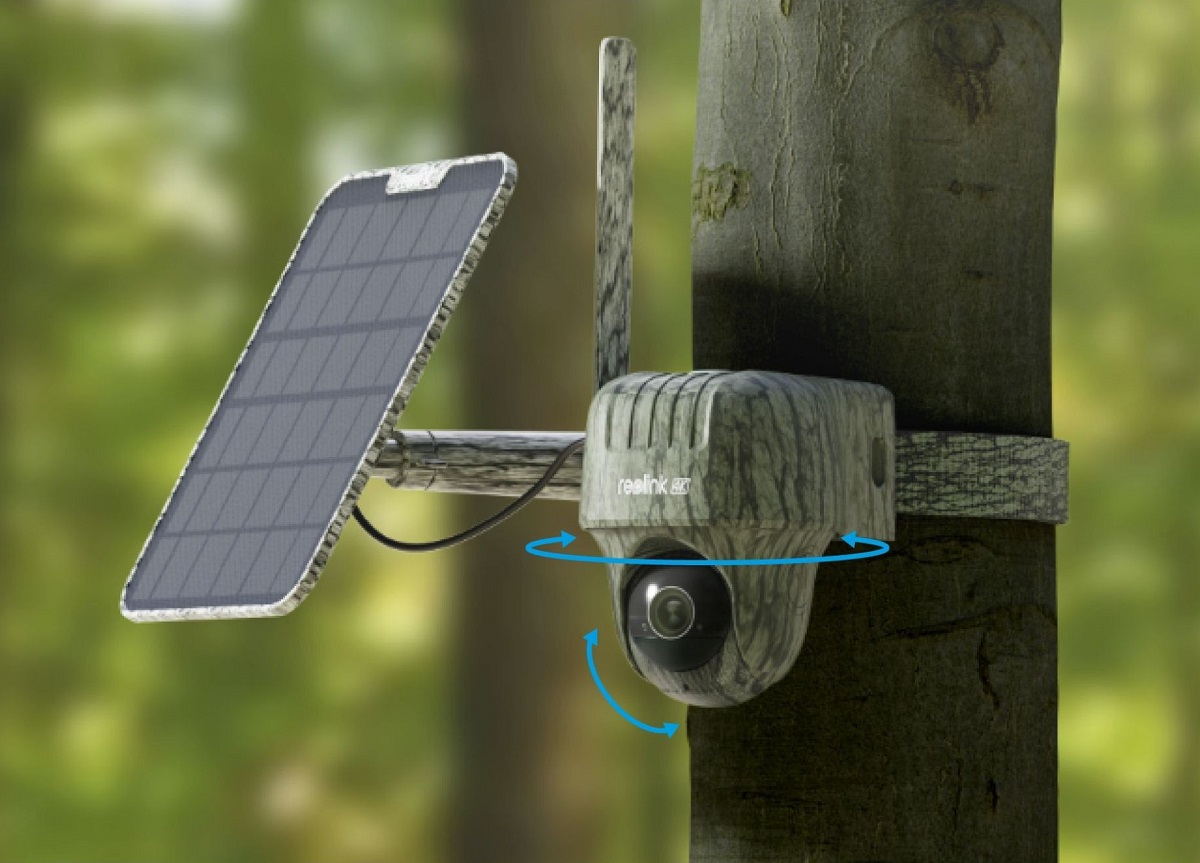
For locations without access to the electrical grid, you can choose cameras that support solar power or have built-in batteries. Models like Reolink Go PT Ultra can operate independently without being connected to the power grid thanks to batteries and the option to connect a solar panel.
Summary
The choice of the right security camera depends on your needs and the conditions of the environment where you plan to place the camera. If you are looking for a simple solution for indoor monitoring, Wi-Fi cameras are a great choice. For remote locations and outdoor environments, cameras with 4G LTE connectivity and solar power may be ideal. Regardless of the choice, modern security cameras offer a wide range of features that ensure protection and convenience.